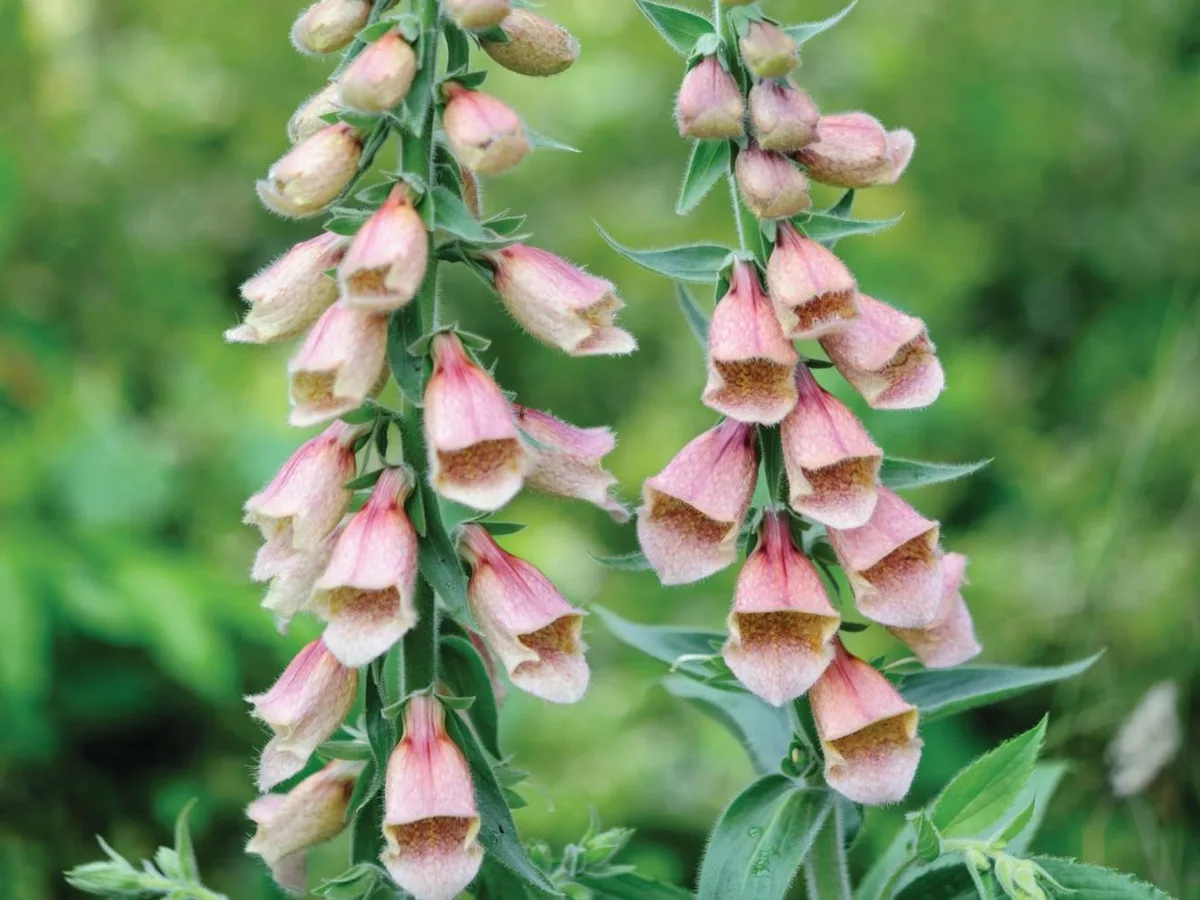
We're all familiar with the purple-pink foxglove, Digitalis purpurea, that lines country lanes in summer brings colour and height to our borders. It's a biennial, which means it sets seed one year and flowers the next. But most other foxgloves are actually perennials, which means they come back year after year.
Perennial foxgloves are divided into two groups: herbaceous perennials, such as Digitalis grandiflora and Digitalis lutea, which die down during cold winters, and those retaining an evergreen rosette, including Digitalis parviflora and Digitalis ferruginea. The species flower from early to midsummer but the new hybrids are sterile, so flower for a longer period – from spring to autumn and beyond during mild winters – because they do not set seed. They also tend to swap elegance for robustness, producing denser spikes of more upright flowers.
As well as working in more naturalistic schemes, perennial foxgloves are an excellent transition plant, blurring the lines between gardened areas and wilder, less tended spaces. Partly this is testament to their resilience and flexibility, and the fact several species will thrive in conditions from full sun to deep shade.
Perennial foxgloves rarely live for more than five years, frequently less, though they usually self-seed
with gusto. For me this is one of their greatest attributes; the seeds finding their way into the nooks
and crannies that would be almost impossible to plant into.
This also informs how I design with foxgloves. I rarely arrange them in drifts, preferring to scatter them
through a planting scheme as if they have landed by accident. This way they can lend movement to a border, as their vertical flower spikes create effective punctuation.
In a wilder setting, a scattered approach can be equally effective. Here I would focus primarily on the lighter-flowered species such as Digitalis grandiflora and Digitalis lutea to lift through the shade. They will soon seed into the gaps between other plants and create little colonies where the conditions are optimal.
Many digitalis will also tolerate hot dry spots, including gravel gardens. Digitalis parviflora, Digitalis lutea and Digitalis ferruginea all handle dry soils well, while Spanish natives D. obscura and D. minor are more than at home in gravel.
How to grow perennial foxgloves
Where to plant perennial foxgloves
Foxgloves tolerate a range of soil types and pHs, but aside from the few that can cope with dry soil, the sweet spot is moist but well-drained – by which we mean soil with enough organic matter to slow down the passage of water, so the plant can take enough up without the soil staying wet. Foxgloves will easily succumb to root rot in overly wet soil, showing similar signs to wilting.
When to plant perennial foxgloves
Spring or autumn. I prefer the latter as the soil tends to be warmer and more workable. Well-rotted leaf mould is an excellent soil improver for foxgloves, improving the moisture holding capacity, without impeding drainage potential.
Caring for perennial foxgloves
Once established, foxgloves require minimal intervention. The tallest flower stems can become a little top-heavy and prone to falling over, in which case they may require staking. But there’s no need to put in plant supports. It’s the slightly rough and ready aspect of foxgloves that I find especially appealing; they don’t ever really look as if they need any help.
How to propagate perennial foxgloves
Seed, whether bought in or gathered from plants, is best sown fresh in late spring or early summer, either in situ or surface sown onto a tray of seedling compost. If you’re surface sowing into trays, just lightly press the seeds into the compost, but don’t cover them, and keep the compost moist. Germination can take between two and three weeks. Seedlings can be potted on, kept outside to harden
off and planted out either the same autumn or the following spring.
If you’re sowing direct, you can either shake seed into your hand from the mother plant and sow into designated spaces in borders, or go totally wild and wander around with a cut stem, shaking it over the beds with abandon. Clearly the former method is more likely to yield reliable results, not least because it makes it easier to keep the seeds watered through to germination. I, however, have always been an enthusiastic stem shaker.
Propagation by basal cuttings works well for plants that don’t reliably set seed. Take these in summer from non-flowering side shoots from lower down on the plant. Potted into compost mixed with perlite they should be left to root in a cold frame, and planted out the following spring.
Problems with perennial foxgloves
Seedlings and young plants can be eaten by slugs and snails, but once mature the toxicity of all the plant parts is enough to dissuade grazing by pests. Powdery mildew and leaf spots can affect the foliage, but as the flower spikes rise high above this it isn’t really a problem.
Beautiful perennial foxgloves to grow
Digitalis ferruginea ‘Gigantea’
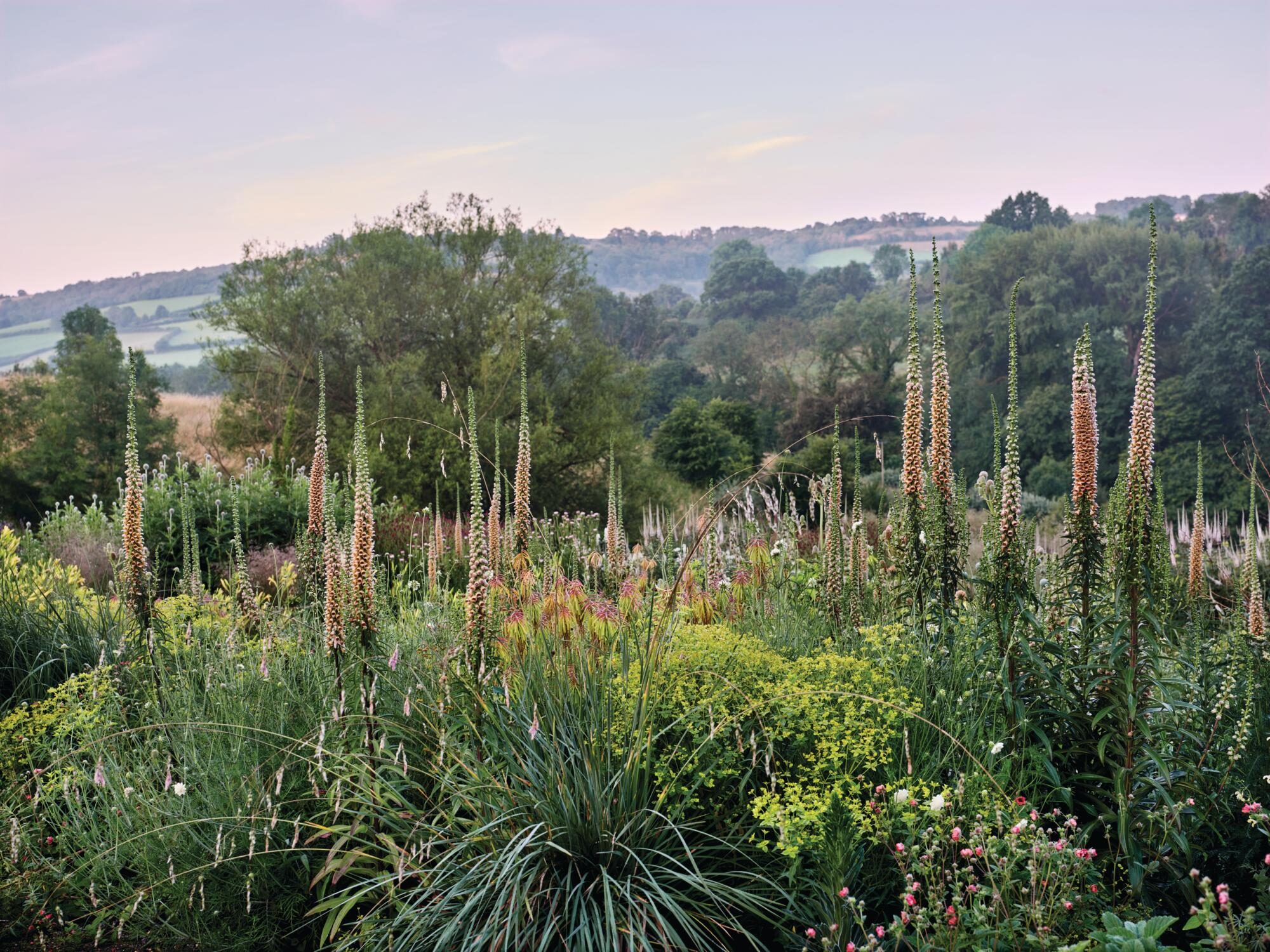
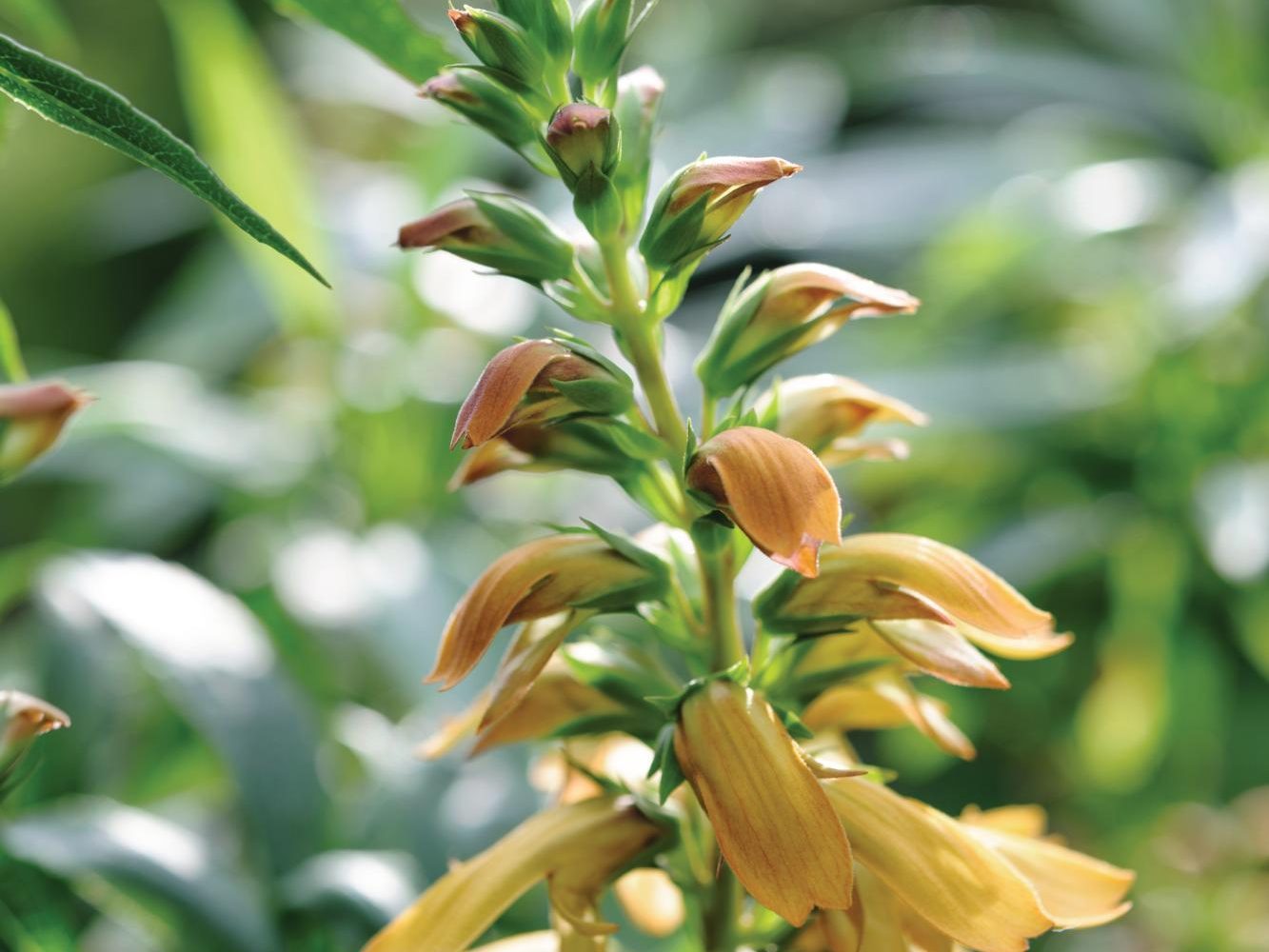
The rusty foxglove is a must-have with masses of small, rusty-yellow-brown flowers on multiple flowering stems. It makes for an arresting and unusual sight. Height and spread: 1.5m x 60cm. AGM*. RHS H7, USDA 4a-8b†
Digitalis canariensis
Tender, but worth the effort if you have a warm sheltered spot and can give winter protection. Evergreen with lanceolate leaves and apricot-orange flowers arranged around the stem. 1.5m x1m. RHS H2, USDA 9a-11.
Digitalis ‘Spice Island’
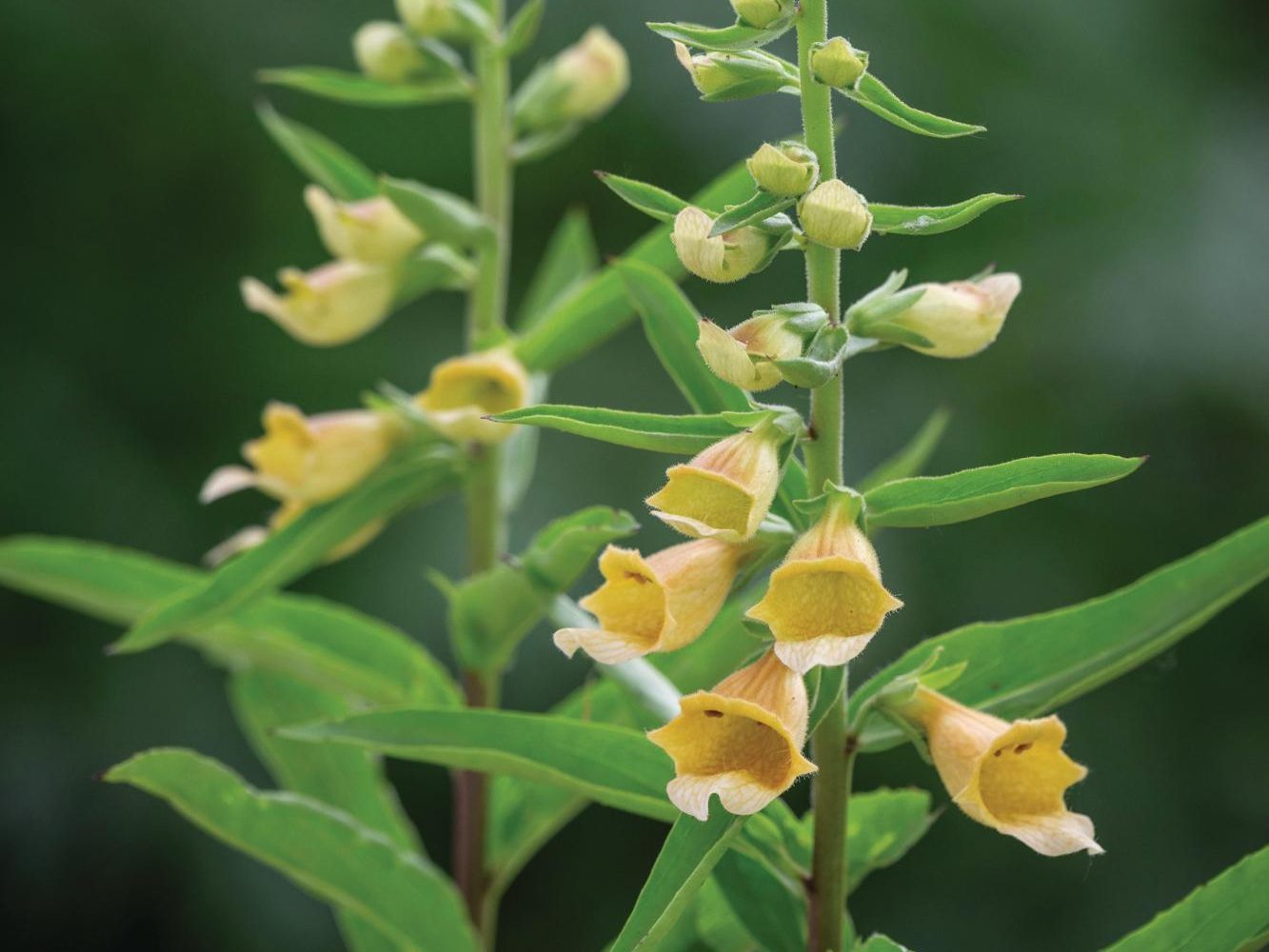
This is a reliable new cultivar with coppery-yellow flowers that have a light dusting of pale purple. It will produce two flushes of flower –one in late spring to early summer and another later in summer. 1.2m x 50cm. RHS H7.
Digitalis ‘Polkadot Polly’
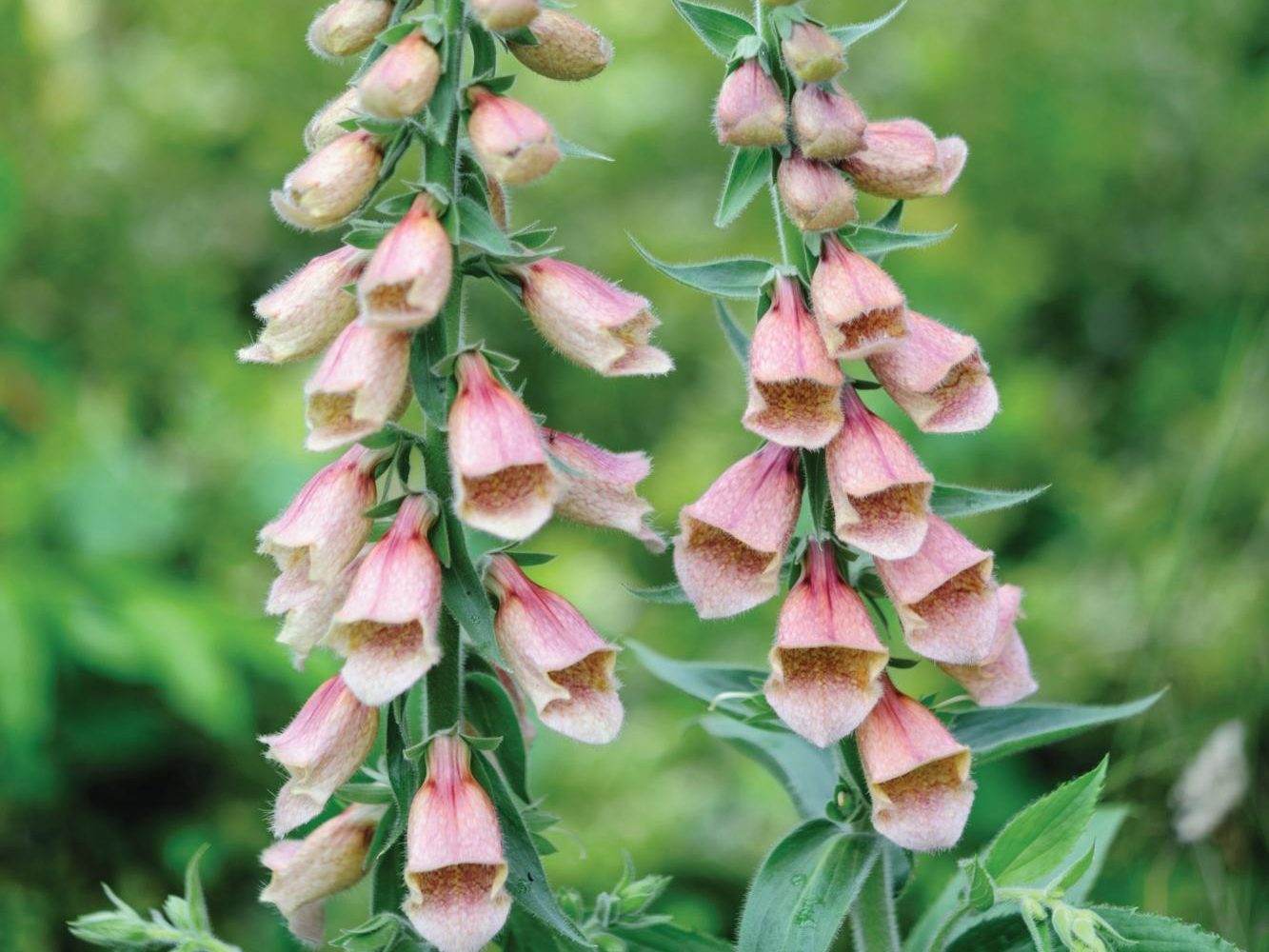
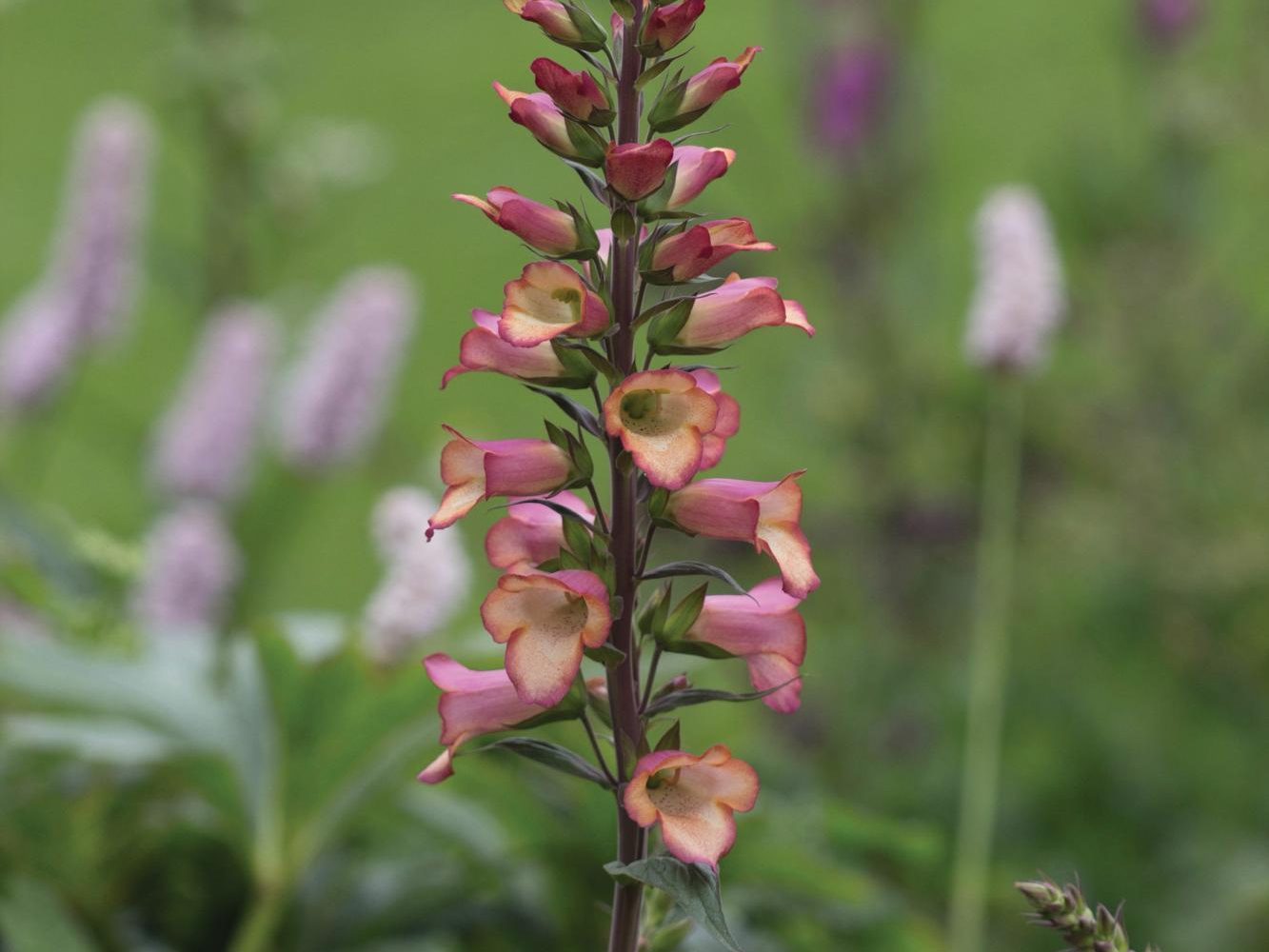
One of the Polkadot Series, this hybrid has deep-apricot to rose-pink flowers fading to pale-yellow at the lip. It’s sterile so its flowers last a long time. 90cm x 60cm. RHS H6, USDA 4a-8b.
Digitalis x valinii Illumination Pink (= ‘Tmdgfp001’)
A hybrid of D. canariensis and D. purpurea, this is quite the showstopper with flowers in apricot, mauve and pink. Best in a sheltered spot. 80cm x 50cm. RHS H4, USDA 7a-10b.
Digitalis obscura
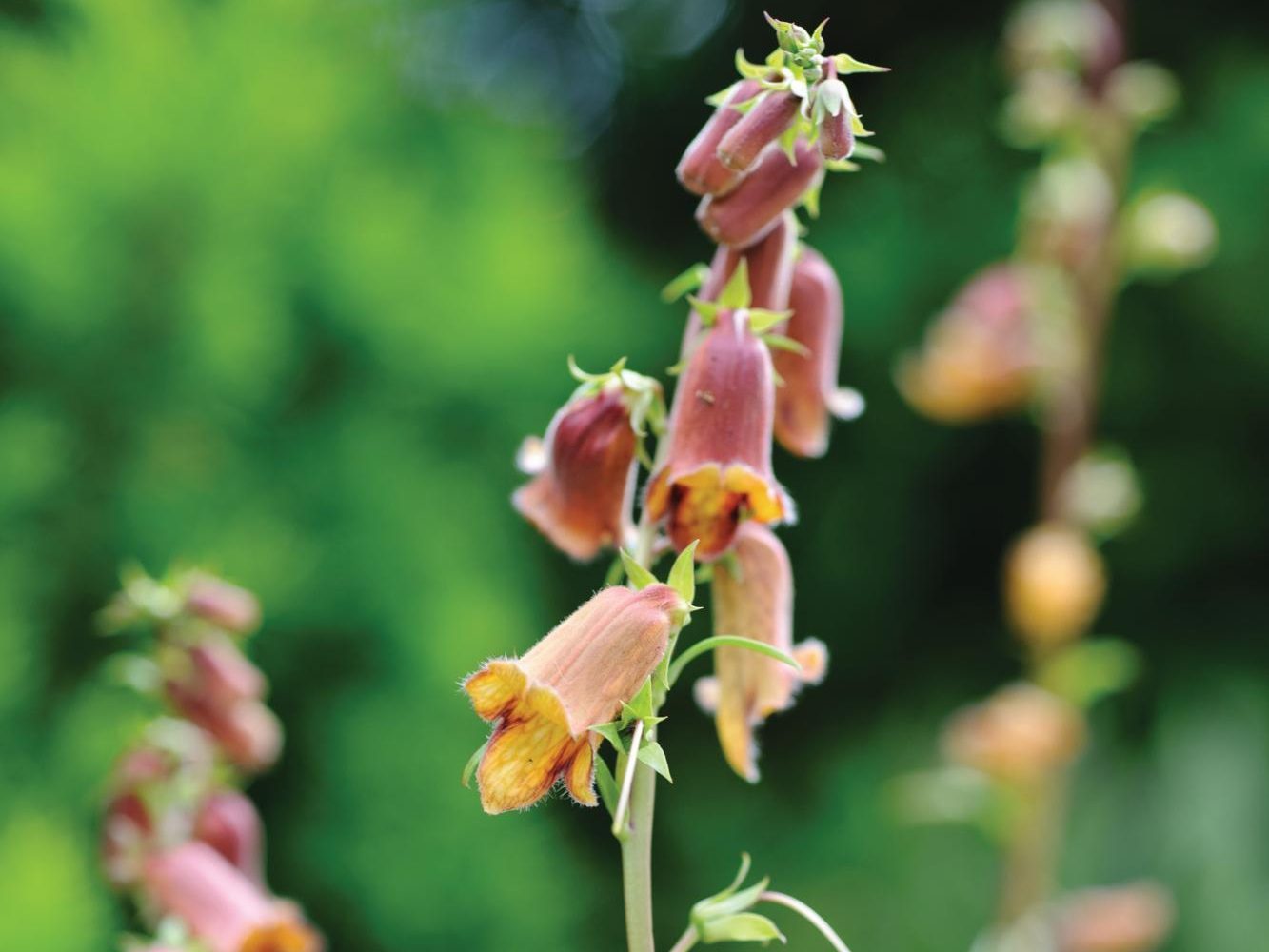
A rare and graceful subshrub from the Spanish and Moroccan mountains. Known as the sunset foxglove for its brick-red flowers, it has light, willowy foliage.
60cm x 50cm. RHS H3, USDA 4a-8b.
Digitalis grandiflora
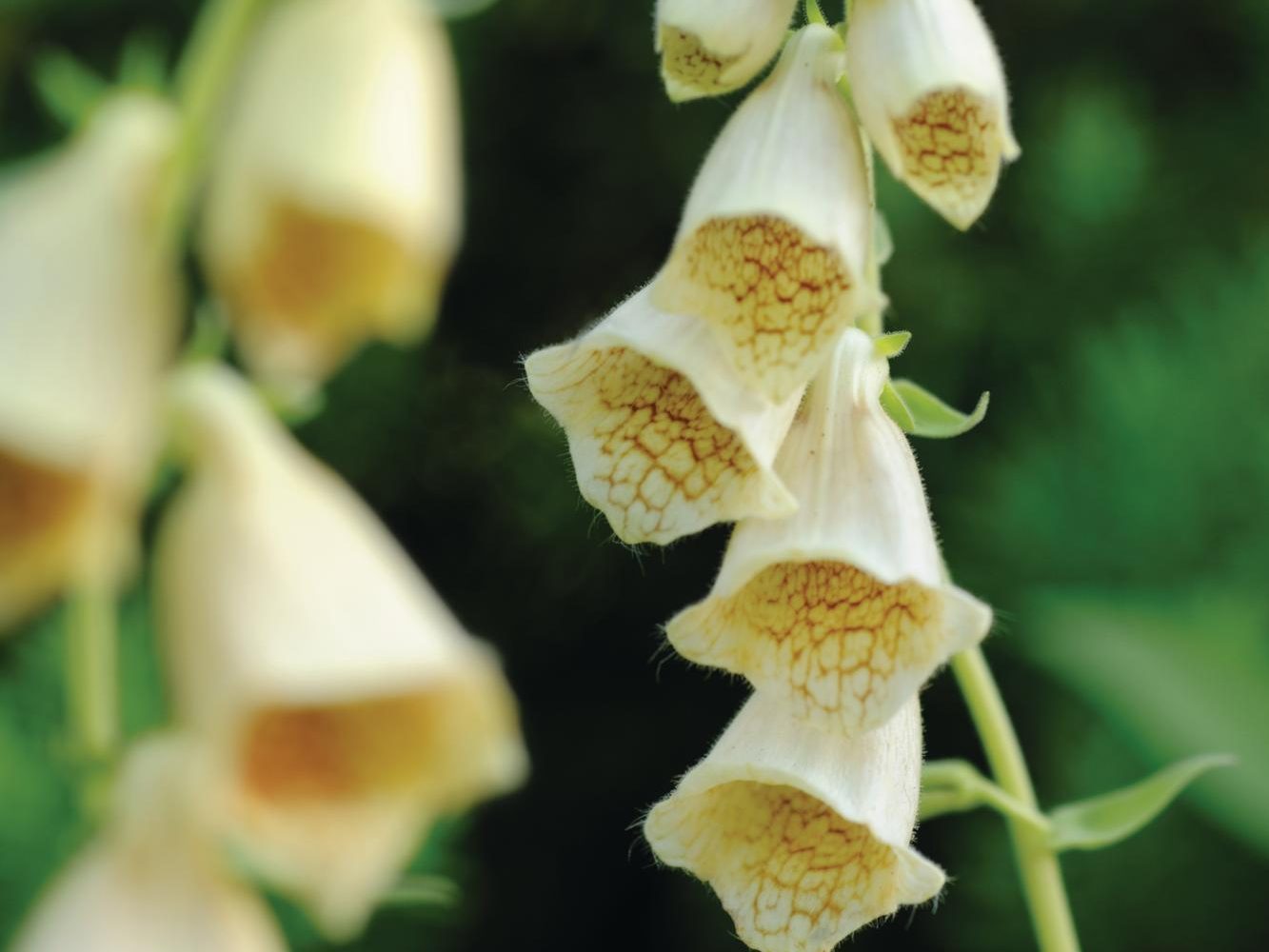
Large, creamy-yellow flowers with darker mottling in the trumpet. An adaptable alternative to Digitalis purpurea that will thrive in most conditions. 1m x 50cm. AGM. RHS H6, USDA 3a-8b.
Digitalis lanata
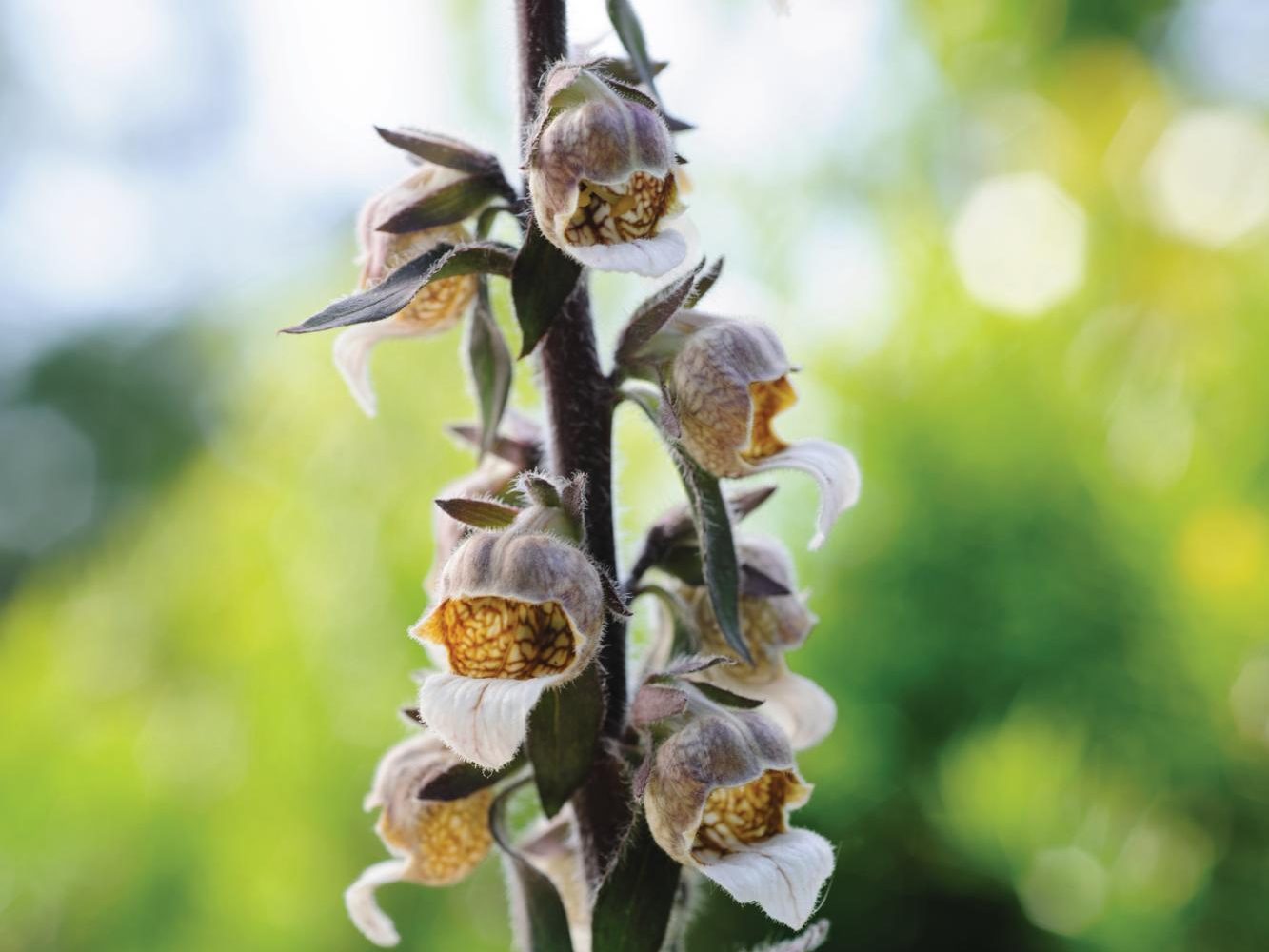
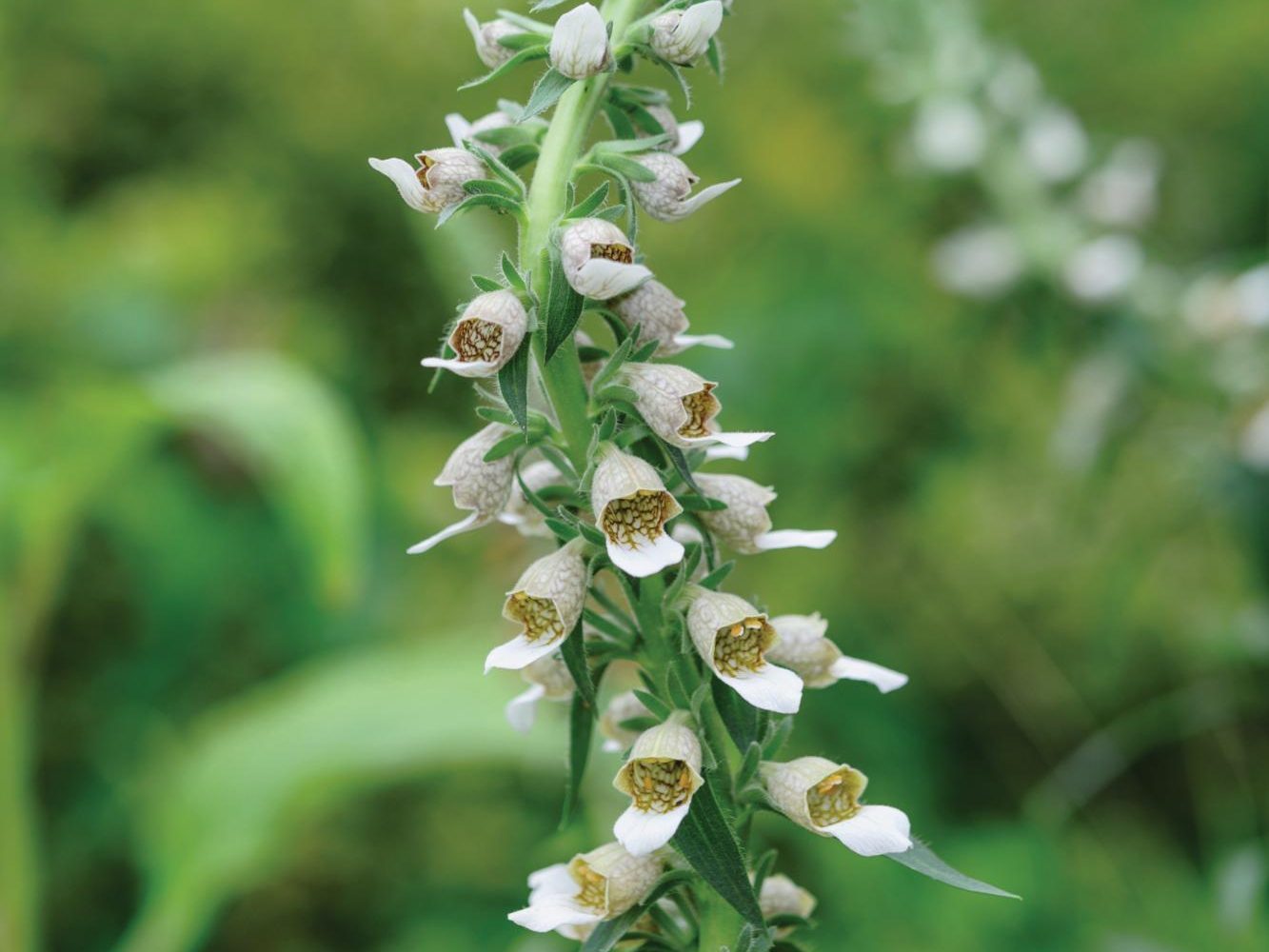
The Grecian foxglove has distinctive woolly stems and foliage and pale flowers with conspicuous brown veining, and will tolerate a range of conditions including hot, dry borders. 1m x 80cm. RHS H5, USDA 5a-9a.
Digitalis purpurea ‘Snowy Mountain’
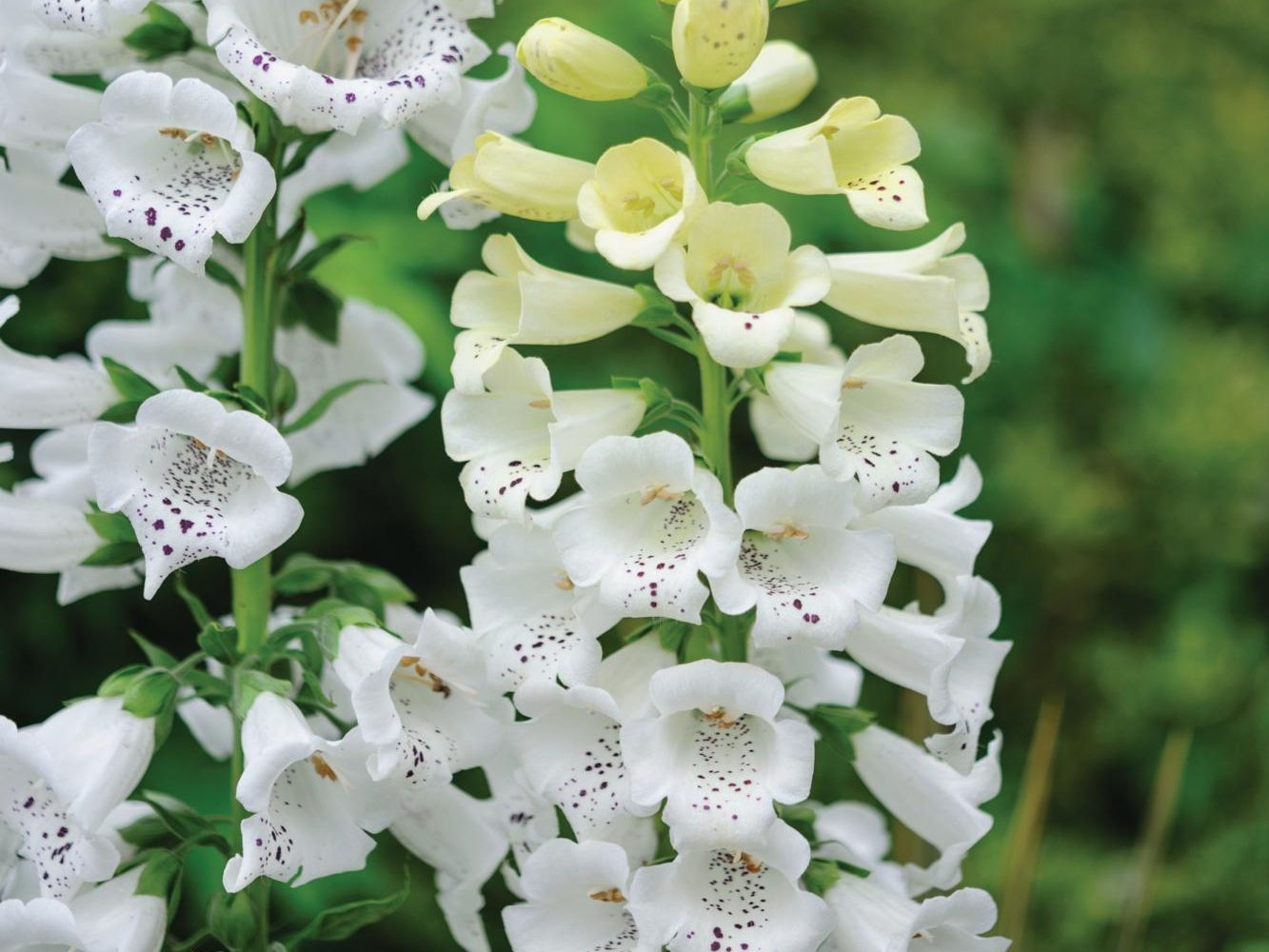
Either biennial or short-lived perennial, this is exactly as the name suggests – tall spires of large, white flowers with purple mottling. A great plant for the mid to back of a border. 1.6m x 60cm. RHS H5, USDA 4a-9b.
Digitalis purpurea subsp. heywoodii
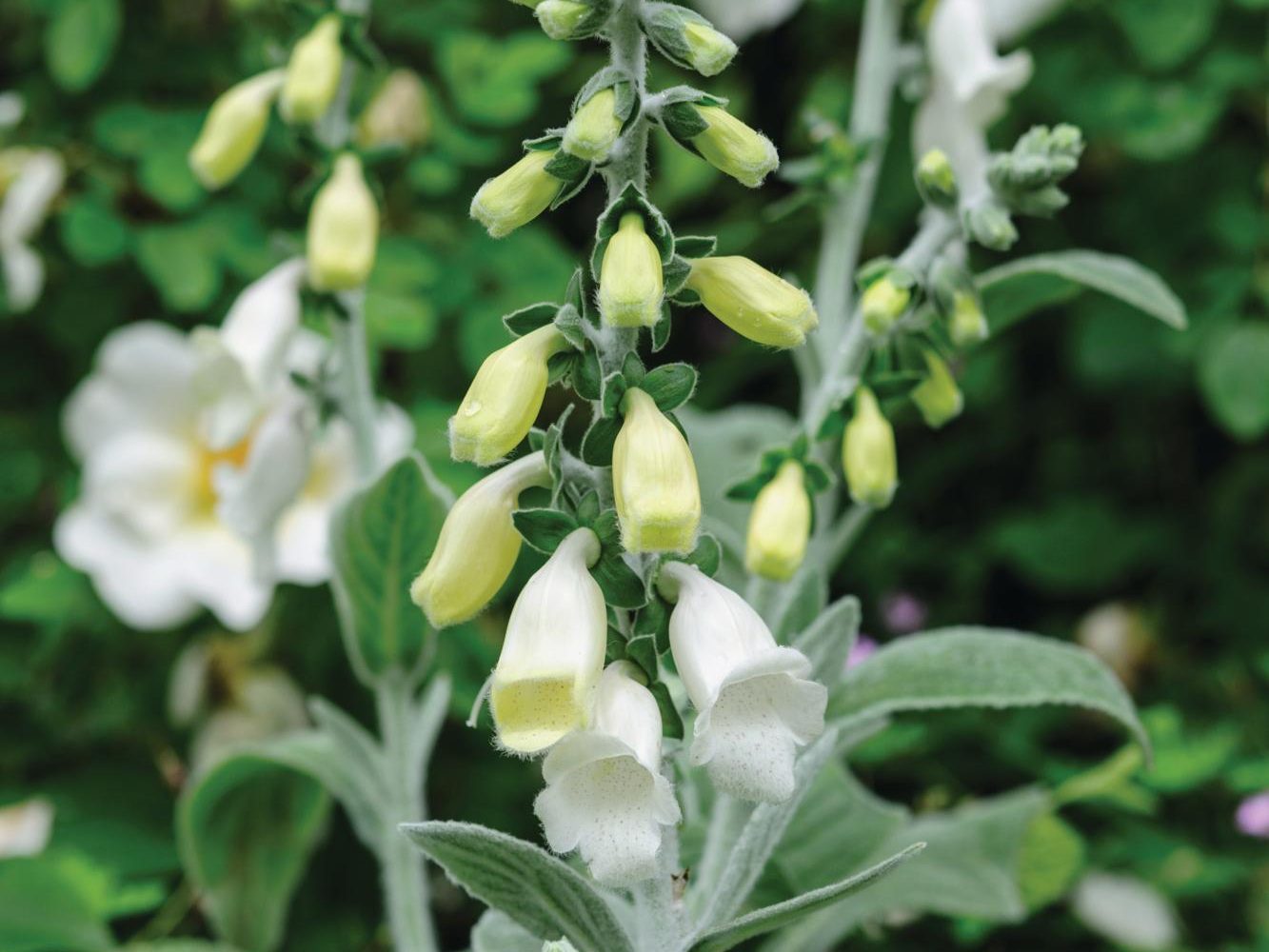
Usually offered as the hybrid ‘Silver Fox’, this is a rare and unusual foxglove with pure-white flowers, and stems and foliage densely covered in silver, velvety hair. A plant for full sun and well-drained soil. 70cm x 50cm
Digitalis lanata subsp. trojana
The Helen of Troy foxglove is a rare and gorgeous thing. Its caramel-brown flowers with red veins and a white lip are unlike any other foxglove. 80cm x 60cm. RHS H5, USDA 5a-9b.
Where to see and buy perennial foxgloves
- Beth Chatto’s Plants & Gardens Clacton Road, Elmstead Market, Colchester, Essex CO7 7DB. Tel 01206 82200, bethchatto.co.uk
- The Botanic Nursery Online nursery and holder of the National Collection of Digitalis. thebotanicnursery.co.uk
- Kevock Garden Plants and Design Kevock Road, Lasswade, Midlothian EH18 1HX. Tel 0131 454 0660, kevockgarden.co.uk
- Special Plants Greenways Lane, Cold Ashton, Chippenham, Wiltshire SN14 8LA. Tel 01225 891686, specialplants.net
*Holds an Award of Garden Merit from the Royal Horticultural Society.
†Hardiness ratings given where available.