With many areas of the UK having gone weeks without a drop of rain, the Environment Agency has declared drought across much of central, eastern and southern England. Almost three-quarters of England (71.3%) is now in drought.
The East Midlands, Lincolnshire & Northamptonshire, Kent & East Sussex, and Solent and the South Downs have become the latest to move into drought status. This means that 45 million people are now in a drought area. Millions of people are now living under hosepipe bans, officially called Temporary Use Bans (TUBs).
Wessex Water is the latest water supply company to introduce a hosepipe ban, from 18 August – the first time it has had to do so in 50 years.
Experts are saying that this year has demonstrated 'unprecedented' changes in the UK climate. June's record-breaking temperatures saw highs of 37 degrees, and March, April and May all ranked within the top ten warmest months since records began. This summer, we've seen red extreme heat warnings issued by the Met Office, with temperatures estimated to rise to 40C; the first red extreme heat warning since 2021. England and Wales both recorded their driest and sunniest July on record and there has been a dry first half of August, and there is no significant change on the horizon.
Head of Environment and Energy at the Met Office, Sarah Davies, said: "Looking ahead, forecasts for the remainder of August and into September suggest a good deal of dry weather is expected, mixed with some unsettled spells. While some areas may see useful rainfall at times, there is currently no strong signal for a sustained period of widespread rainfall, with below average rainfall more likely than above-average for the period as a whole.”
As temperatures increase in the UK, many gardeners are tackling drought in their gardens – here's everything you need to know about the current restrictions and exemptions in place.
Is my area in drought?
There are the areas currently in drought:
- East Anglia
- Hertfordshire and the whole of London
- Thames Valley
- Hampshire & the Isle of Wight
- Devon & Cornwall
- The West Midlands
- Wessex (covering Dorset, Somerset, Wiltshire and South Gloucestershire)
- East Midlands
- Lincolnshire & Northamptonshire
- Kent & East Sussex
- Solent and the South Downs
This is the third drought in the past five years, following the droughts declared in 2022 and 2025.
Low rainfall combined with the recent three heatwaves means stored water is being depleted too.
You may also like
Is my area under a hosepipe ban?
Nine water companies are currently implementing hosepipe bans, officially called 'Temporary Use Bans' or TUBs for some or all of their customers:
- Affinity Water – in Bedfordshire, Berkshire, Buckinghamshire, Hertfordshire, Surrey and parts of London and Essex
- Anglian Water – whole region
- Cambridge Water – whole region
- Essex & Suffolk Water - whole region
- Southern Water – in Hampshire and the Isle of Wight
- South East Water – in Kent, Sussex, Surrey, Hampshire and Berkshire
- South West Water – in Mid Devon and parts of East Devon
- Dŵr Cymru Welsh Water – across mid and south Ceredigion, together with parts of north Pembrokeshire and north Carmarthenshire
- Thames Water – for all customers
- Wessex Water – all customers
Water companies will have further details for each region on their websites. If you're not sure who your water supplier is, check one of your bills or use Water UK's find your supplier to search using your postcode.
What is a hosepipe ban?
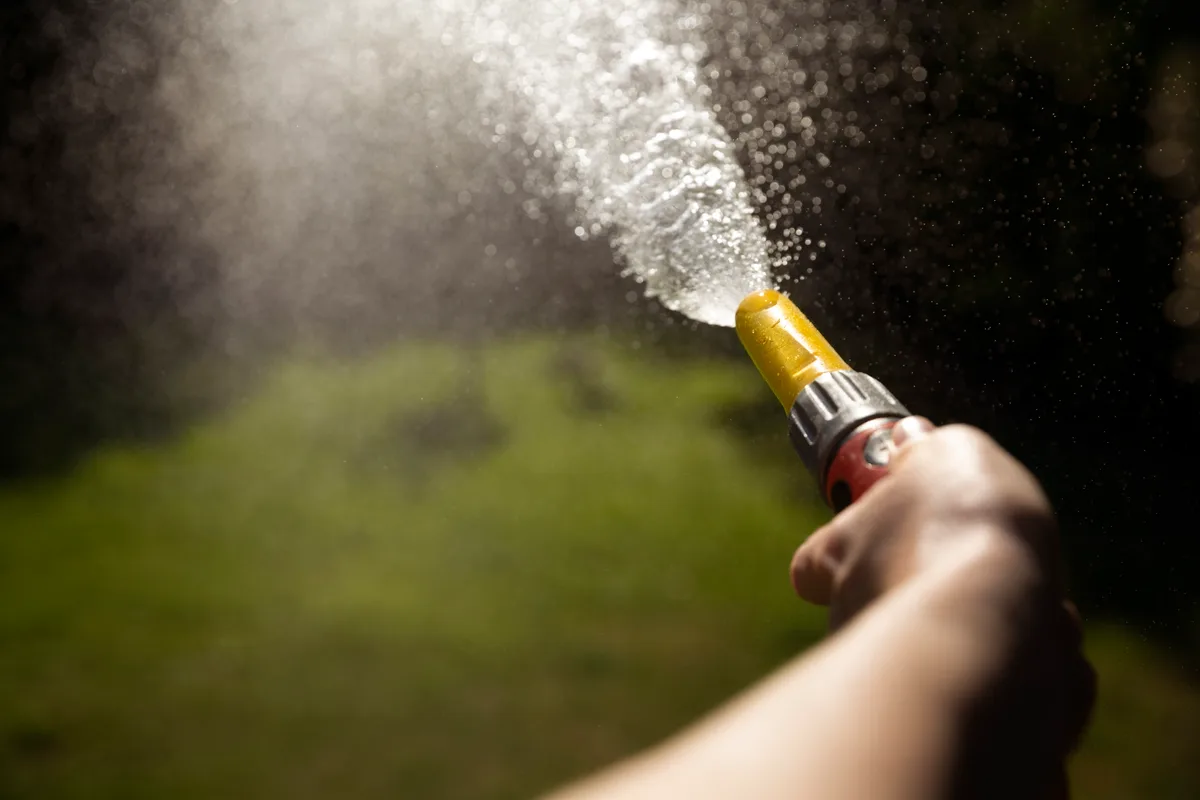
A hosepipe ban is a ban on using excessive water due to water shortage, caused by a lack of rainfall and extreme temperatures. It aims to protect the river habitats that the water is extracted from. Under the Flood and Water Management Act 2010, utility companies may prohibit the following uses:
- watering a garden using a hosepipe
- cleaning a private motor-vehicle using a hosepipe
- watering plants on domestic or other non-commercial premises using a hosepipe
- cleaning a private leisure boat using a hosepipe
- filling or maintaining a domestic swimming or paddling pool
- drawing water, using a hosepipe, for domestic recreational use
- filling or maintaining a domestic pond using a hosepipe
- filling or maintaining an ornamental fountain
- cleaning walls, or windows, of domestic premises using a hosepipe
- cleaning paths or patios using a hosepipe
- cleaning other artificial outdoor surfaces using a hosepipe
During a hosepipe ban you can still water your garden with a watering can. Other ways to save water include reusing paddling pool water over several days, taking shorter showers and only running washing machines and dishwashers on full loads.
Who is exempt from a hosepipe ban?
A full list of exemptions can be found on each water company's website, but general ones include:
- People who are registered disabled, blue badge holders or on a water company's priority services register
- People who use a hosepipe for business, e.g. garden centres and car washes
- Those who need to top up a pond to support fish or aquatic animals
- Those providing pools for medical treatment
- Those who use ornamental fountains for religious purposes
- People who cannot reasonably water food crops in allotments or gardens with a watering can
Some water companies also allow certain gardening activities during a hosepipe ban, including:
- watering newly planted trees and shrubs
- watering newly laid lawns
You can also use your hosepipe if it uses water not from the mains, such as rainwater from a water butt or private borehole, or wastewater from cleaning clothes.
What happens if you use a hosepipe during a hosepipe ban?
If you break the rules of a hosepipe ban, you could face a hefty fine. Water companies have the right to impose fines of up to £1,000.
How much water does a hosepipe use?
Every ten minutes, the average hosepipe will use 170 litres of water. According to Southern Water, a sprinkler can use as much water in one hour as a family of four in a whole day. So even if there isn't a hosepipe ban, cutting down on automated watering systems in the garden can be a good idea and be better environmentally.
When was the last hosepipe ban in the UK?
As hosepipe bans are enforced by individual water companies, they often come into force in different parts of the country at different times. In the last few years, a notable ban was brought in in August 2018 by United Utilities which affected seven million people in the North West of England. In 2022, water companies from Yorkshire to Wales imposed bans. In 2025, the UK saw multiple hosepipe bans throughout July.
Can I water the garden freely if my area doesn't have a hosepipe ban?
Even if your area does not yet have a hosepipe ban, water companies are urging customers to use water more consciously and sparingly - not only in the garden but in the house, too – in order to avoid one. This is also a good idea for the wider environment.
Tony Grayling, Strategic Drought Lead at the Environment Agency and Chair of the National Drought Group, said: "Drought conditions are worsening and will continue to do so until we see significant and sustained rainfall. We know the hot and dry weather is taking a real toll on farming and there will be long-lasting impacts on our environment. We want everyone to stay safe and hydrated over the summer, but we need everyone’s help in using a little less water to make sure our current water reserves last. Every drop we can save is a drop more for your local farmers, local wildlife and local rivers."
Other ways to water the garden
Watering the garden can be done using a watering can or bucket, especially if you have lots of things in pots. This means you can give specific plants the optimum amount of water instead of giving the garden a general soak.
It's also a good idea to collect rainwater in water butts. This saves mains water, it's good for the environment and plants often prefer rainwater too.
To make the most of available water, it's worth knowing when to water plants in hot weather and using gardening hacks to water more wisely.
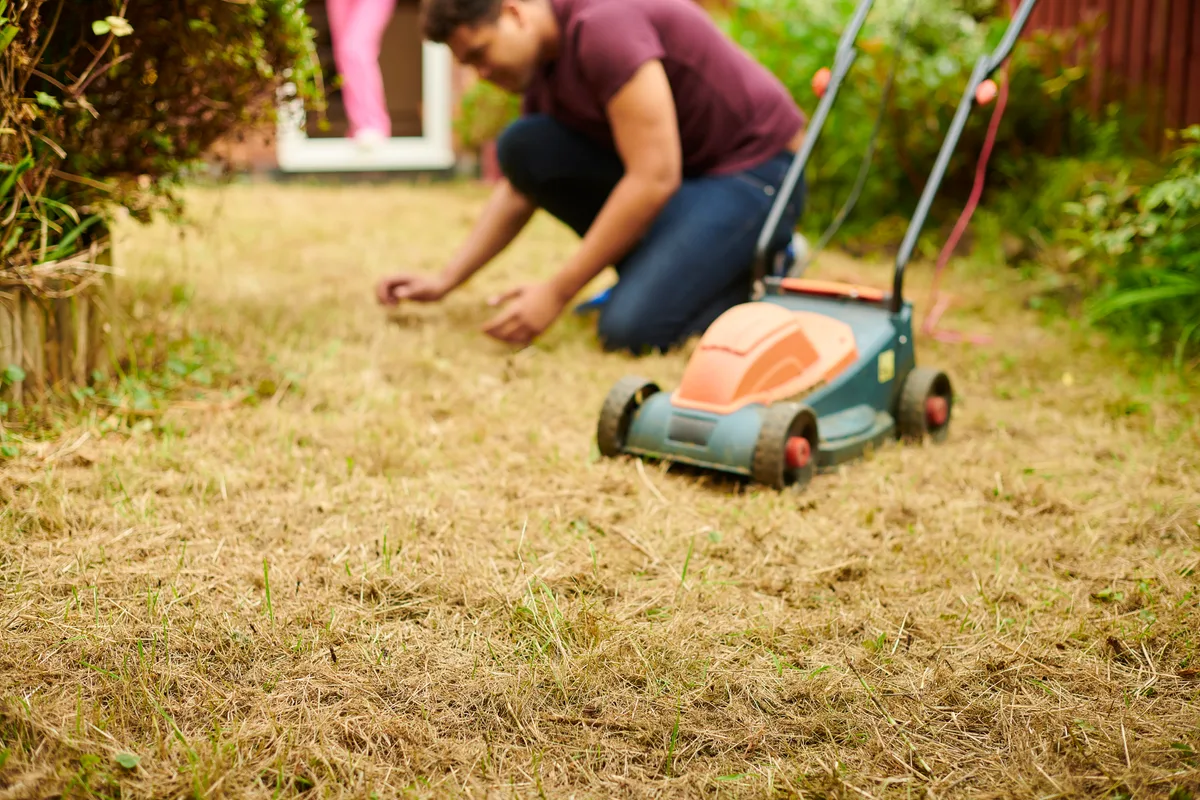
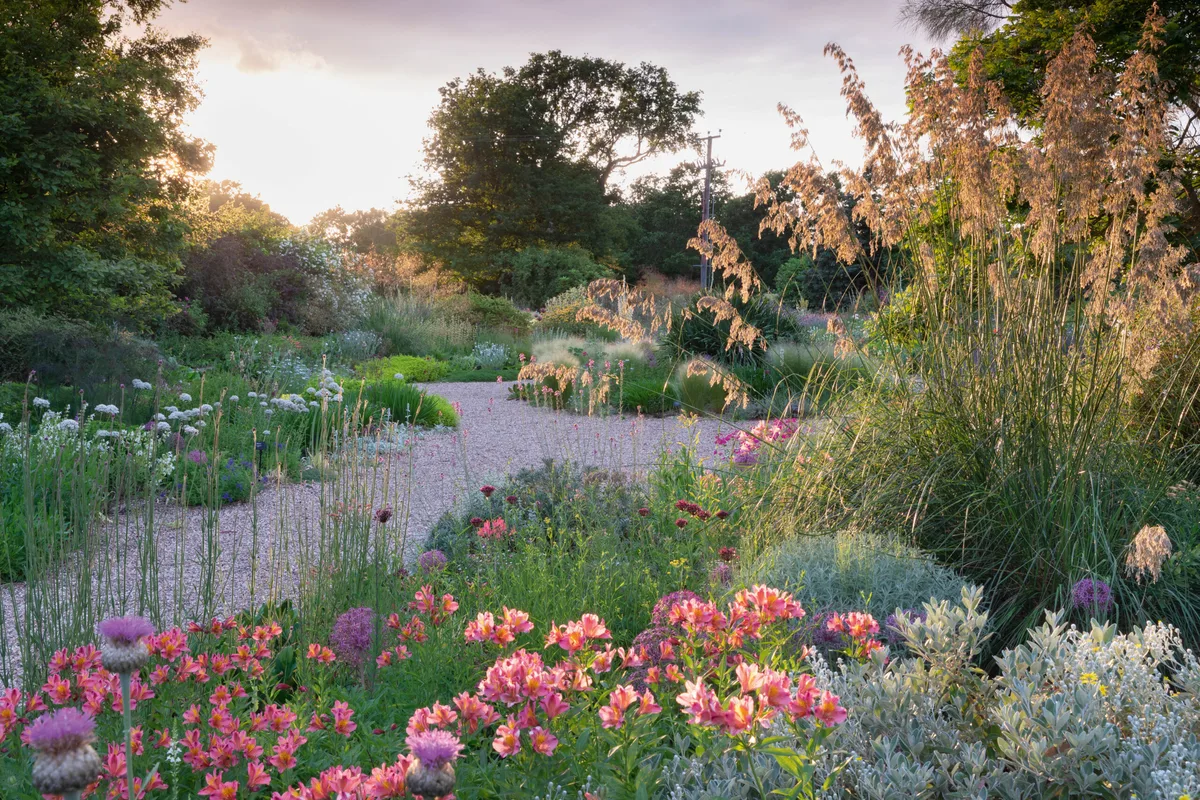
In the long term, introducing more drought tolerant plants to our gardens will help keep them looking good during dry spells – and conserve water in the summer months. As for lawns, there's no need to worry; grass is quick to recover once rain returns. The best way to keep it looking green is to minimise mowing in times of drought.
Here's everything you need to know about creating a drought-tolerant garden.
Editor's note: updated on 18 August 2026 to reflect recent bans.